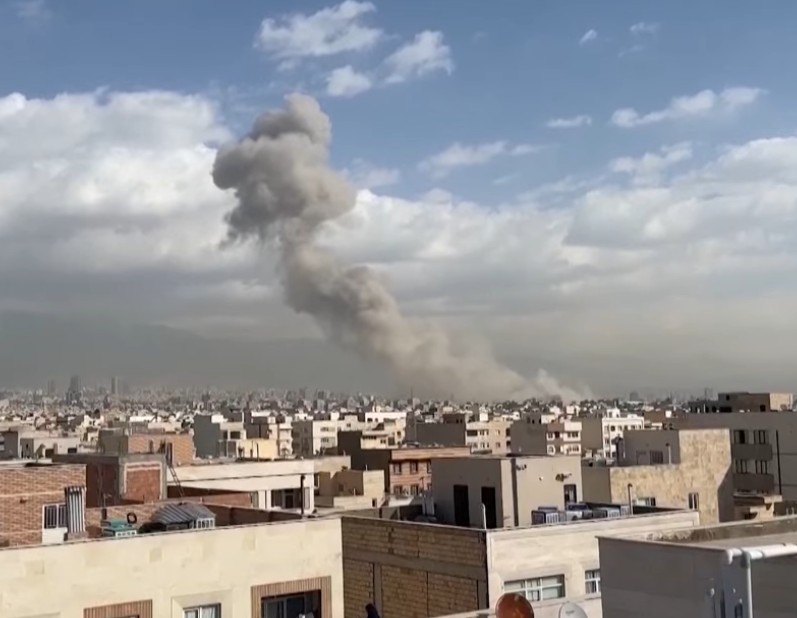
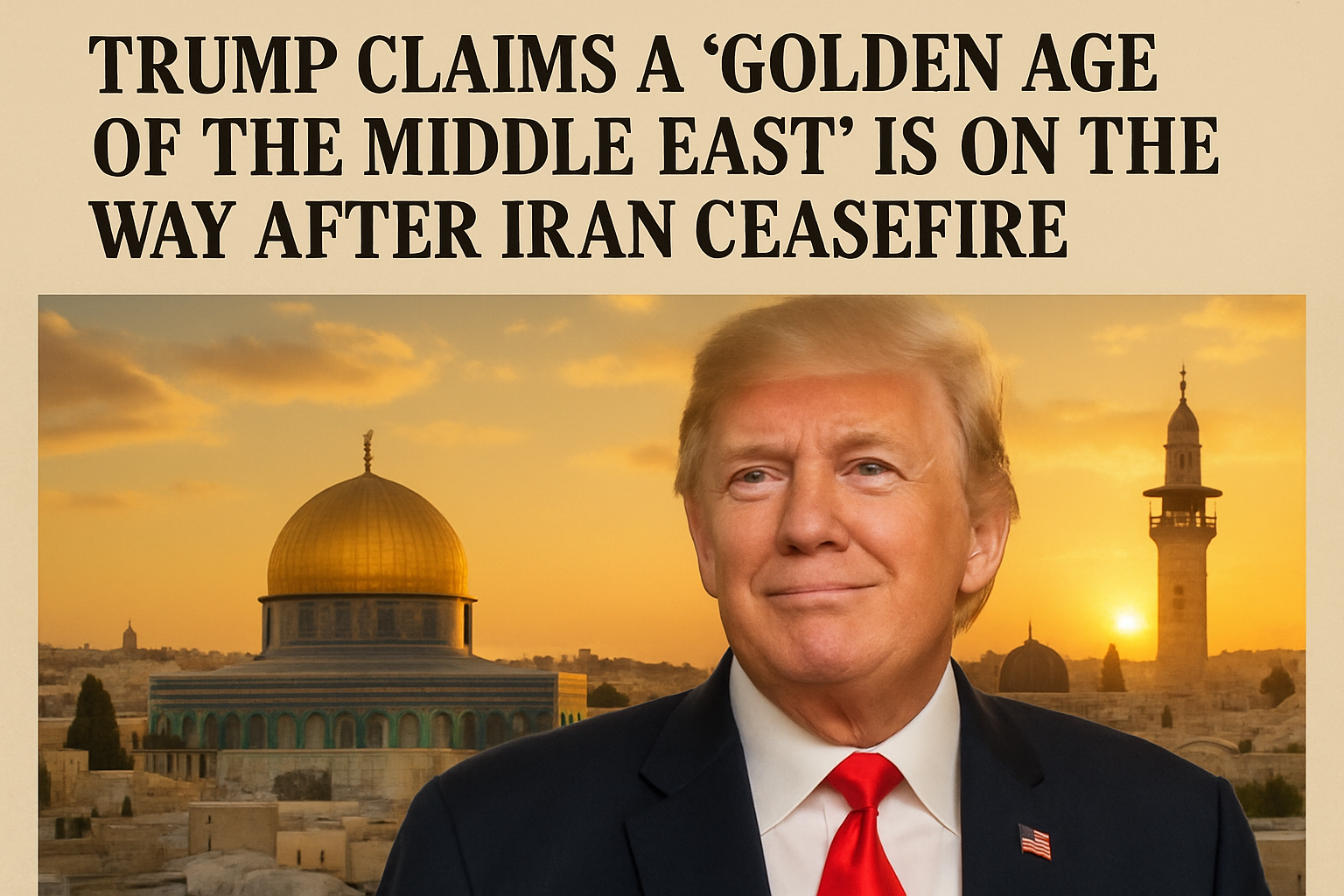
Picture the scene; a hopeful Middle East replacing decades of conflict with an era of cooperation, negotiations and peace. An image, albeit far from today’s reality, that former U.S President Donald Trump boldly predicts under his stewardship. His optimism comes on the heels of a successful ceasefire negotiation with Iran, as proclaimed by the then-President himself. This daring claim offered one more example of Trump’s audacious yet sometimes controversial approach to policy and diplomacy.
The Ceasefire in Context
Primarily, it is crucial to understand the significance of this ceasefire. U.S-Iran relations, with their checkerboard of alliances, hostility, and ties stretching back to 1953’s coup against Prime Minister Mossadegh, have often defined the broader political climate of the Middle East. The nuclear dispute, labelled as controversial and dangerous by many, has served as a perpetual catalyst in escalating tensions.
Under Trump’s administration, the relationship experienced an intensified downturn, marked by America’s withdrawal from JCPOA or the Iran Nuclear Deal in 2018 – a move that pushed relations between both nations to an-all time low. Thus, the news of a sudden ceasefire was a twist in the tale, a possible turning point that left politicians and experts puzzling over its potential implications for the region.
The ‘Golden Age’ Projection
Thereafter, Donald Trump made a presumptive claim that the ceasefire is paving the way for a ‘Golden Age of the Middle East.’ Such a claim suggests a vision of durable peace, prosperity, and cooperation among countries in the region.
By echoing this optimistic prediction, Trump challenged the deep-rooted cynicism about the Middle East’s geopolitical stability and implicitly displayed confidence in his diplomatic tactics. The ‘Golden Age’ metaphor, often used to represent historical periods of prosperity and enlightenment, implied advancing development and embracing peaceful coexistence.
Trump and His Unorthodox Diplomacy
Trump’s governance and diplomatic style have long raised eyebrows globally. His Iran strategy was no different. By choosing to leave the JCPOA and reimposing crippling economic sanctions, Trump alleged that he was taking a more robust approach to prevent Iran from acquiring nuclear weapons.
Critics, however, have viewed this as an act of endangering global peace and stability, while also isolating America on the world stage. Therefore, this sudden announcement of a ceasefire and the proclamation of a forthcoming ‘Golden Age’ garnered a considerable amount of criticism and scepticism among observers.
The Road Ahead
Despite Trump’s claim, the path to a ‘Golden Age’ is fraught with turbulent variables. It isn’t just about Iran; numerous other glaring regional challenges, such as the unresolved Israeli-Palestinian conflict, war-torn Yemen and Syria, the escalating Turkish-Kurdish conflict, and the overarching issue of religious extremism, stand as imposing barriers on the road to peace.
Moreover, a ceasefire is just a pause, an opportunity to negotiate and not a resolution. To achieve a genuine and sustainable peace, it requires more holistic and comprehensive strategic diplomacy involving all regional stakeholders and superpowers. This task is Herculean, but not impossible.
In conclusion, while Donald Trump’s claims of a ‘Golden Age of the Middle East’ following the Iran ceasefire may seem overly optimistic or indeed outlandish to many, it does shed a light on the larger dialogues about the future of Middle East – a region with a history ain’t as golden as are the aspirations attached to it. It focuses attention on the vital need for peace, stability and progression – a true and just ‘Golden Age’ that the region ardently deserves.
Discover more from -
Subscribe to get the latest posts sent to your email.