
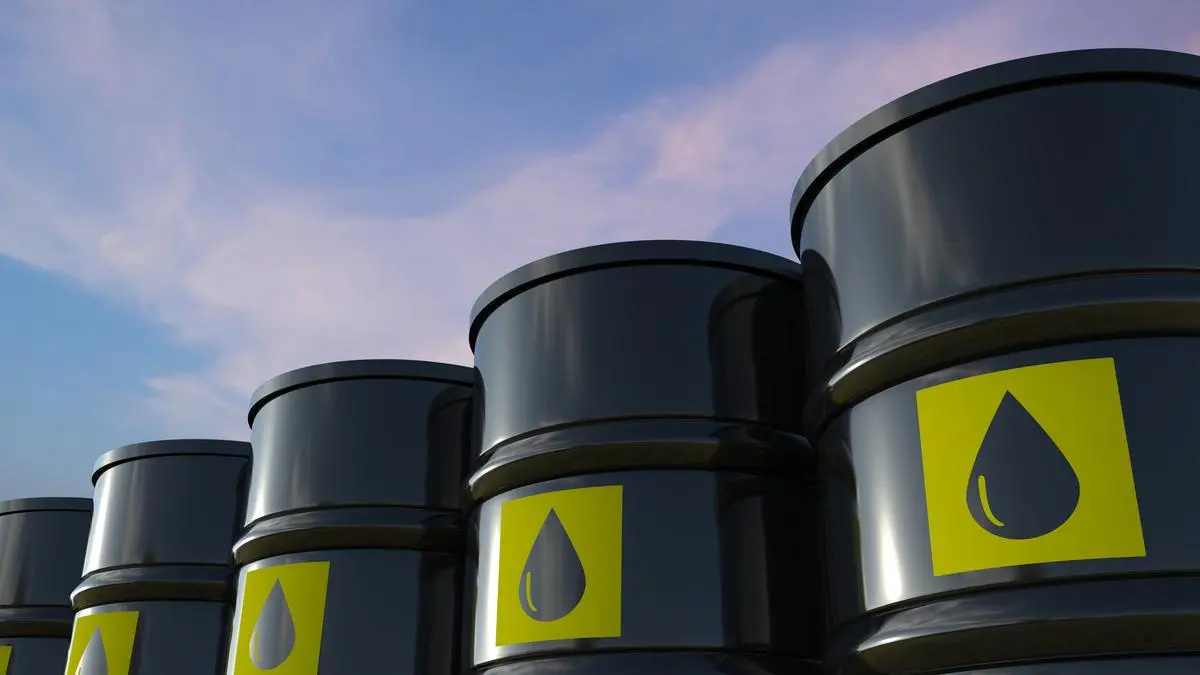
Picture this: a country once struggling with its oil production, now breaking historic records and becoming a major player in the global oil market. This is the reality for Argentina, who recently made headlines by surpassing a longstanding oil production record.
For years, Argentina has faced challenges in the energy sector, relying heavily on imports to meet its oil needs. However, in a remarkable turn of events, the country has seen a significant increase in oil production, leading to a record-breaking milestone that has put Argentina on the map as a key oil producer.
One key factor contributing to this success is the discovery of new oil reserves in Argentina’s vast unexplored areas. This has allowed for increased exploration and extraction activities, driving up production levels and putting the country in a more favorable position in the global oil market.
Another important aspect to consider is the government’s efforts to attract foreign investment in the oil sector. By implementing policies that encourage investment and promote exploration and production activities, Argentina has been able to capitalize on its newfound oil reserves and boost its production levels to unprecedented heights.
Furthermore, advancements in technology have played a crucial role in enhancing Argentina’s oil production capabilities. Innovations such as hydraulic fracturing and horizontal drilling techniques have allowed for the extraction of oil from previously untapped sources, leading to increased productivity and efficiency in the oil industry.
As a result of these combined efforts, Argentina has not only broken a historic oil production record but has also positioned itself as a major player in the global oil market. With a steady increase in production levels and a growing presence in the industry, Argentina has set itself on a path towards energy independence and economic prosperity.
In conclusion, Argentina’s achievement in breaking the historic oil production record is a testament to the country’s resilience, determination, and strategic approach to the energy sector. By leveraging its newfound oil reserves, attracting foreign investment, and embracing technological advancements, Argentina has successfully transformed its oil industry and solidified its position as a key player in the global oil market.
In the heart of Argentina’s Neuquén province lies the Vaca Muerta shale oil formation, an untapped reserve estimated to hold vast amounts of oil and natural gas. However, despite its potential to revolutionize the country’s energy industry, investment in the region has been slow to materialize.
Imagine a landscape dotted with towering drilling rigs, a bustling hive of activity as workers toil to unlock the riches buried beneath the earth. This could be the future of Vaca Muerta, a vision that the Argentine government is striving to turn into reality through a series of new incentives aimed at attracting investment in the shale oil sector.
One of the key measures introduced by the government is a reduction in export taxes on oil and gas production from Vaca Muerta. This move is designed to make the region more attractive to foreign investors, who have been hesitant to commit to projects due to the high tax burden previously imposed on exports.
In addition to tax breaks, the government has also streamlined the permit approval process for drilling in Vaca Muerta, cutting red tape and bureaucracy to make it easier for companies to start operations quickly. This is crucial in a sector where time is of the essence, as delays can lead to increased costs and lost opportunities.
Furthermore, the government is offering financial incentives to companies that invest in unconventional energy projects, such as shale oil and gas. This includes subsidies for exploration and production activities, as well as favorable financing terms for infrastructure development.
Overall, these incentives are intended to spur investment in Vaca Muerta and unlock the region’s full potential as a major player in the global energy market. With the right policies in place, Argentina has the opportunity to become a leading producer of shale oil and gas, boosting its economy and reducing its reliance on imported energy sources.
In conclusion, the expansion of incentives to spur Vaca Muerta shale oil investment is a promising development for Argentina’s energy industry. By creating a more favorable environment for investors, the government hopes to kickstart a new era of growth and prosperity in the region. Only time will tell if these measures will be successful in attracting the necessary capital to fully exploit the riches that lie beneath the surface of Vaca Muerta.
Discover more from -
Subscribe to get the latest posts sent to your email.