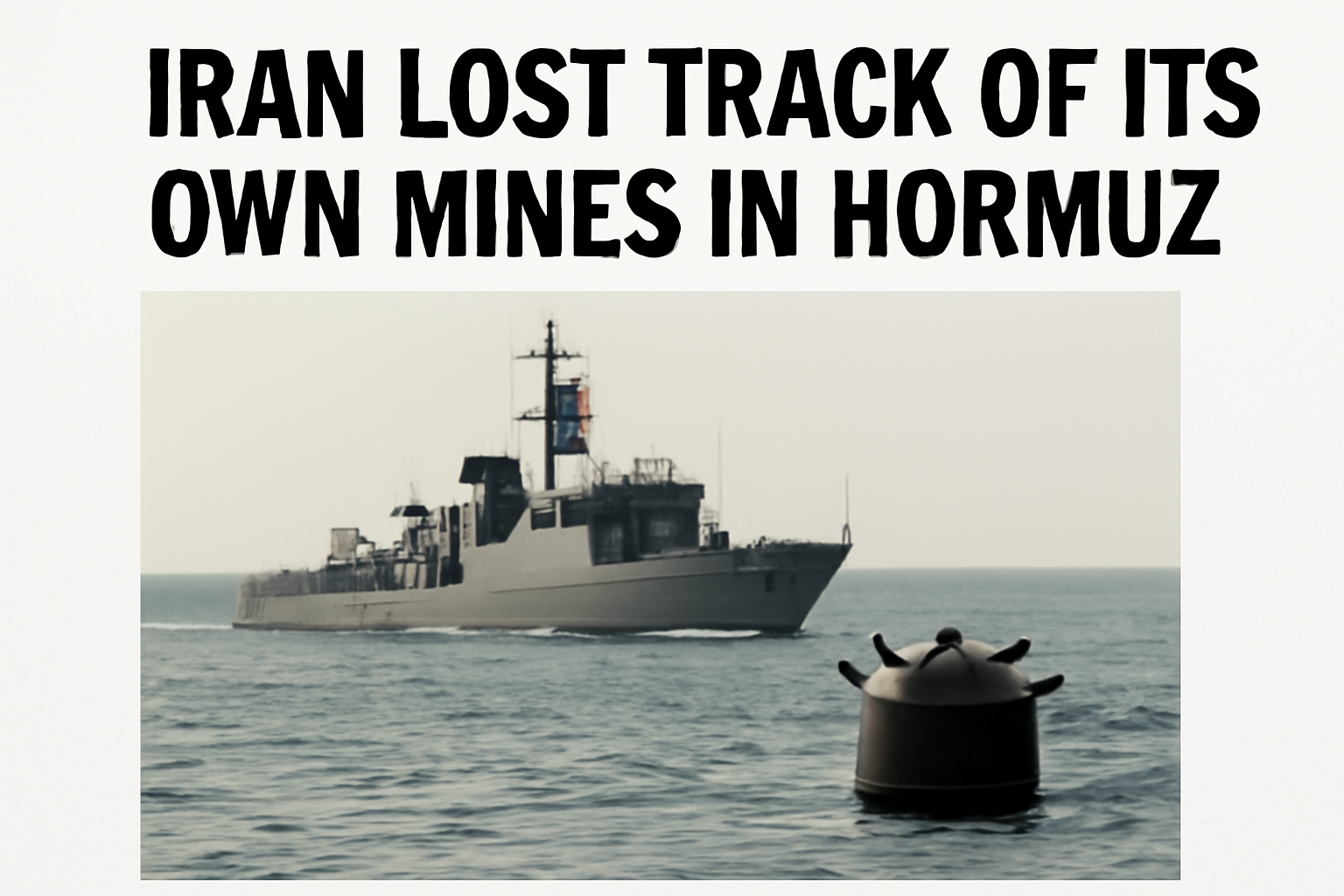
It was a beautiful morning in April 2018 when a lone goat herder trod across the scarlet sands of Hormuz Island, located in the Strait of Hormuz in Southern Iran, and stumbled upon a sight etching a permanent scar on his memory. A metallic object coated in sediment and forgotten by time, a silent killer lost in oblivion— a landmine.
Decades ago, amid the fog and noise of the Iran-Iraq war, these lethal weapons were sowed across the landscapes of Hormuz like deadly seeds. Now, they’re sprouting unexpectedly, posing a deadly risk. Yet, disquietingly enough, Iran seems to hold a certain degree of apathy towards the clearance of these war remnants. This article aims to delve into the magnitude of the issue, examining whether Iran’s inaction is due to negligence or a strategic move— a testament to their controversial geopolitical calculus.
The Gravity of the Landmine Issue
The UN estimates that there are 16 million unexploded land mines laid across Iran, a lingering testament to the brutal eight-year war with Iraq from 1980 to
1. Hormuz Island, a strategic location during the war, is no exception. While the Iran government claims the mines have been “mostly” cleared, the finding of unexploded mines under layers of Hormuz’s stunning red sand highlights an undoubted negligence.
Thrust into geopolitical limelight due to its geographical location, Hormuz Island corridors 20% of the world’s oil exports, making this issue graver as the risk transcends beyond its inhabitants to the global community. The potential of these forgotten relics of war comes with crippling consequences not just for individuals but international relations and economies.
Iran’s Stance: Negligence or Strategy?
Despite the severe implications, there’s a glaring absence of effective action from the Iranian government in terms of landmine clearance. This could be traced back to two possible origins: negligence or strategy.
Negligence is a plausible explanation. Iran, grappling with an array of domestic issues such as economic malaise, political unrest, and environmental crisis due, in part, to global warming and drought, may not have prioritized the menace of forgotten mines. Economic sanctions, coupled with a poor economic outlook, might have rendered any extensive clearance program financially unfeasible.
Alternatively, this absence of action could be interpreted as strategic, adding an extra layer within Iran’s defensive measures. Given the continued geopolitical tensions in the Gulf, these unattended explosives serve as a de facto deterrence against potential foreign incursions. Intriguingly, Hormuz’s forgotten mines further amplify Iran’s controversial image— an unpredictable yet tactical player on the international stage.
The International Community’s Response and the Path Forward
The international community needs to recognize that latent landmines are not only a national issue for Iran but a global problem. Its resolution could lessen potential geopolitical strain, hearten Iran to join the 1997 Ottawa Treaty banning land mines, and bolster regional security.
Humanitarian demining, coupled with pressure from the international community, could catalyze Iran to prevent further injury and loss of life due to these forgotten weapons. Additionally, specific aid packages targeted at landmine clearance could mitigate the economic constraints Iran faces, encouraging them to prioritize this issue.
The forgotten mines of Hormuz saga, whether a product of Iran’s negligence or a strategic move, are a stark reminder of the horrors of unresolved legacies of war. It requires immediate attention from both Iranian authorities and the international community to steer the narrative towards a safer, more peaceful horizon.
Discover more from -
Subscribe to get the latest posts sent to your email.