Imagine a room filled with tension and anticipation, as Iran’s Assembly of Experts gathers to elect the country’s new supreme leader. The fate of the nation hangs in the balance as the members of the assembly prepare to make one of the most important decisions in Iran’s history.
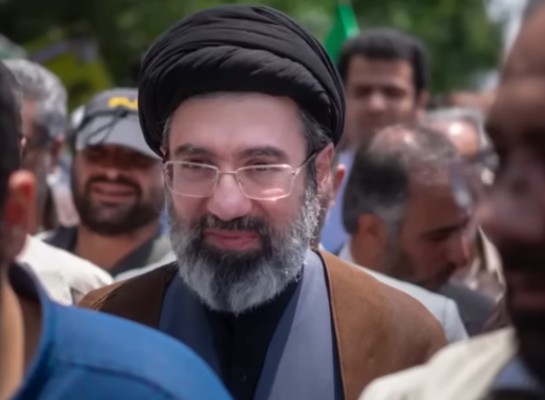
In a surprising turn of events, Mojtaba Khamenei, the son of the late Supreme Leader Ayatollah Ali Khamenei, is elected as Iran’s new supreme leader. This announcement, made by Iranian state television at 7:13 PM, sends shockwaves throughout the country and the international community.
The election of Mojtaba Khamenei as Iran’s supreme leader raises many questions and concerns. As the son of the previous supreme leader, some fear that his leadership may not bring the much-needed change and reform that many Iranians are hoping for. Others worry about the implications of having a leader who is seen as being part of the same establishment that has held power in Iran for decades.
One key point to consider is how Mojtaba Khamenei’s leadership will impact Iran’s foreign relations. As the supreme leader, he will have a significant influence on Iran’s policies towards other countries, particularly those in the Middle East and the West. Will he continue his father’s hardline stance on issues such as nuclear proliferation and regional conflicts, or will he take a more moderate approach in an effort to improve relations with the international community?
Another important aspect to consider is how Mojtaba Khamenei’s leadership will affect internal politics in Iran. Will he be able to address the widespread discontent and protests that have erupted in recent years, or will his leadership only serve to further entrench the ruling elite’s grip on power? How will he navigate the complex political landscape of Iran, balancing the demands of the conservative clerical establishment with the desires of a younger, more progressive generation?
Overall, the election of Mojtaba Khamenei as Iran’s new supreme leader marks a pivotal moment in the country’s history. It is a decision that will shape the future of Iran and have far-reaching implications for the region and the world. As Iranians and the international community wait to see how his leadership unfolds, only time will tell what lies ahead for Iran under his rule.
Imagine living in a country where the highest authority is an unelected supreme leader who holds ultimate power over all aspects of society. This is the reality for the people of Iran, where Ayatollah Ali Khamenei has been the supreme leader since 1989, with no say from the citizens on who should hold this position.
It is essential for the Iranian people to have the right to choose who their supreme leader should be. This fundamental right is crucial for a democratic society and allows for transparency, accountability, and representation of the will of the people.
One key point to consider is that without the ability to choose their supreme leader, the Iranian people are denied a voice in the decision-making process that affects their lives. The current system allows for one individual to have unchecked power, leading to potential abuses of power and lack of accountability.
Furthermore, allowing the people to select their supreme leader would increase legitimacy and support for the government. This would help to build trust between the leadership and the citizens, fostering a more stable and inclusive society.
In addition, providing the Iranian people with the right to choose their supreme leader would align with international standards of democracy and human rights. It is crucial for Iran to adhere to these principles in order to improve relations with the global community and ensure a more just and equitable society for its citizens.
In conclusion, it is imperative that the Iranian people have the right to choose who their supreme leader should be. This will lead to a more democratic, accountable, and representative government that better serves the needs and desires of the citizens. It is time for Iran to take steps towards a more inclusive and transparent political system that respects the rights and voices of its people.
Discover more from -
Subscribe to get the latest posts sent to your email.