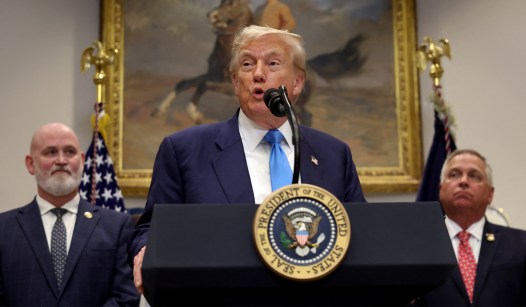
Small town in Southeast Colorado, where families rely on a water pipeline project for their clean drinking water. Now, picture the shock and disappointment when President Donald Trump issues his first veto of his second term, rejecting a bipartisan bill that would have extended federal support for this essential project. In a rare move, the President used his veto power to block a bill that had passed Congress unanimously, leaving the future of the water pipeline project in uncertainty.
The bipartisan bill in question aimed to provide federal assistance to continue the construction of a water pipeline in Colorado, which has already seen over $249 million in federal funds allocated towards the project. However, President Trump argued that the bill would shift additional costs to federal taxpayers, a decision that has sparked controversy and criticism from both Democrats and Republicans alike.
The bill’s sponsor, Republican Representative Lauren Boebert, expressed her disappointment in the President’s veto, stating that it would directly impact the lives of 50,000 people in Southeast Colorado who rely on the completion of the water pipeline for clean drinking water. Boebert, a strong supporter of President Trump, emphasized the urgency of the project and highlighted the importance of federal support in ensuring access to safe and clean water for communities in need.
The President’s veto raises questions about the role of federal funding in essential infrastructure projects, particularly in regions that struggle with water access and quality. The decision also underscores the challenges of bipartisan cooperation in a politically divided landscape, where even a unanimously passed bill can face opposition from the highest office in the country.
As the debate over the water pipeline project in Colorado continues, it serves as a reminder of the impact of presidential vetoes on critical legislation and the implications for communities that rely on federal support for essential services. The future of the project remains uncertain, but the voices of those advocating for clean drinking water for all must continue to be heard in the halls of Congress and beyond.
Discover more from -
Subscribe to get the latest posts sent to your email.