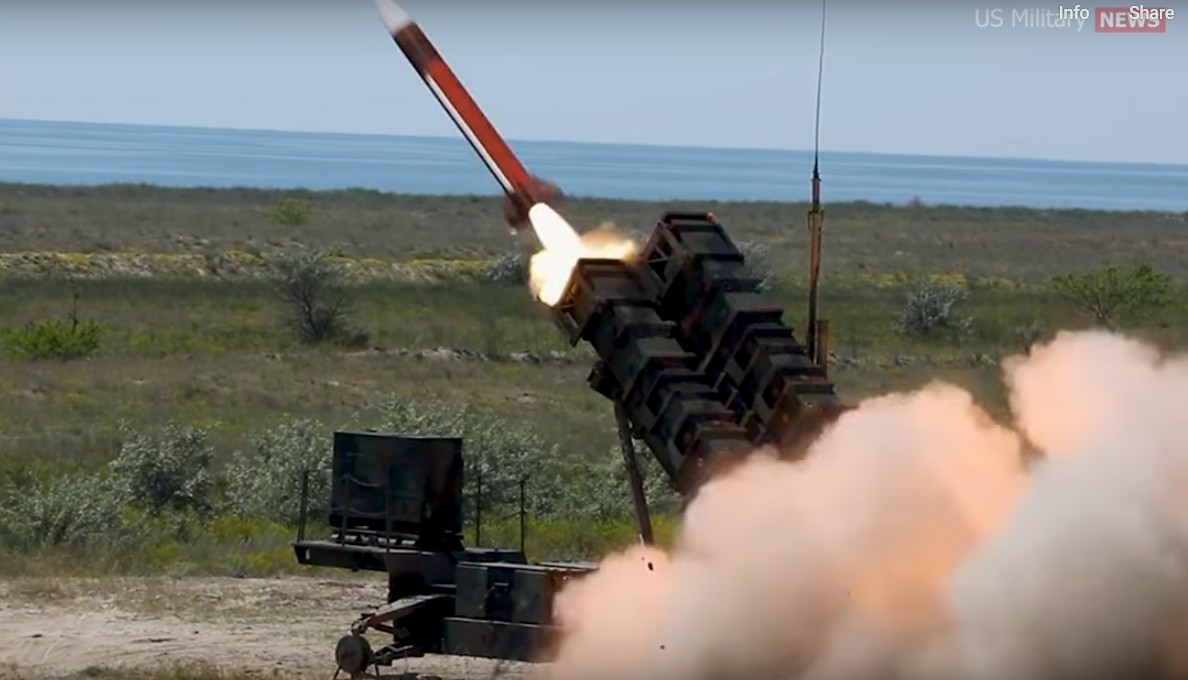
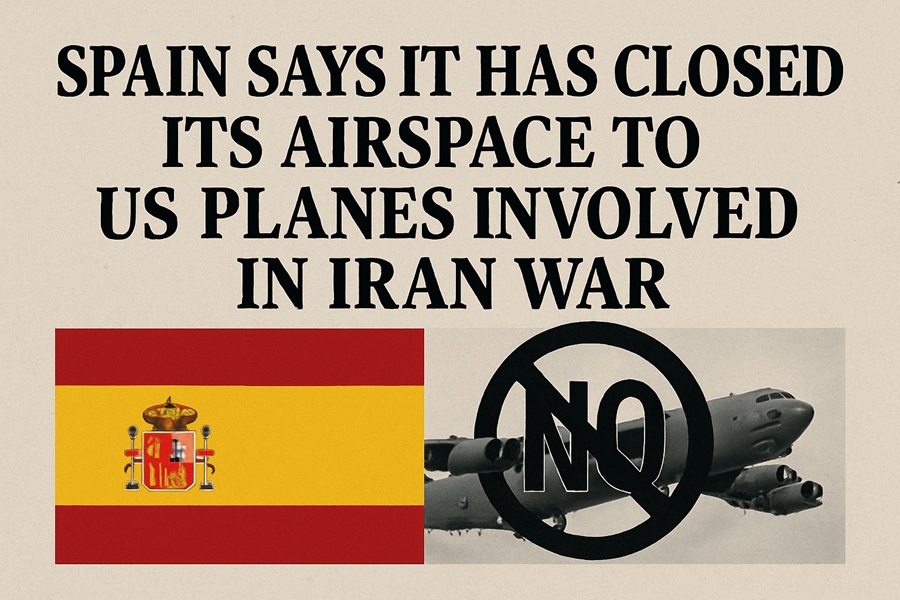
Picture this: The tranquil blue sky above Spain, usually dotted with planes of various origins, no longer welcomes U.S. warplanes. In an unprecedented move, Spain has asserted its geopolitical stance by closing its airspace to U.S. aircraft involved in the Iran war.
Spain’s move, while surprising to some, comes as a crucial stance of neutrality in an escalating conflict marked by years of tension and hostility. It also signifies a critical juncture in global politics by disrupting the traditionally strong alliance between the U.S. and Spain. This pivotal decision has sparked an array of responses and speculations, which we will explore throughout this piece.
Motivations Behind The Move
Spain’s decision could be traced to a myriad of reasons that intertwine both domestic and international politics. Given a heightening war scenario with Iran and the U.S., Spain seems bent on safeguarding its neutrality without directly antagonizing either party. Spain may want to avoid any consequential damage from the war, such as refugee influxes or retaliatory terrorist attacks, that could potentially derail its domestic stability.
Changing Global Alliances
Another significant aspect of Spain’s decision is its implications on global alliances. Historically, Spain has enjoyed a strategic partnership with the U.S. across a vast range of areas, including military cooperation and trade. This move, however, signals a shift in Spain’s international alignment and raises questions about the dynamics of NATO, of which both countries are members. It remains to be seen how this maneuver will affect Spain’s relations with other NATO members and its overall image in global politics.
Impact on the U.S. Military Strategy
Spain’s strategic location has always held significant value for the U.S., especially in military operations in the Middle East. The denial of airspace throws a potential spanner in the works of the U.S.’s military strategy. This move, while symbolic, may compel the U.S. to reassess its routes and logistical plans for conducting its campaign, incurring additional costs and tactical inefficiencies.
Implications for Future Diplomatic Relations
Spain’s move could trigger a ripple effect in the diplomatic sphere. Other nations may follow suit, compelled to make similar decisions about their alliances and neutrality, thereby ushering in an era characterized by greater multi-dimensionality in geopolitics. Depending on the progression of the Iran-U.S. war, this could significantly reshape the landscape of international diplomacy.
In Conclusion
Spain’s spectacular move of closing its airspace to U.S. planes involved in the Iran war reaffirms the subtle power held by smaller nations amidst broader superpower conflicts. Unsurprisingly, this move has triggered introspection within the international community, pushing nations to evaluate their roles and stands in global politics. Though the implications of this decision will unravel over time, it undeniably marks a significant shift in the realm of international relations.
Discover more from -
Subscribe to get the latest posts sent to your email.