
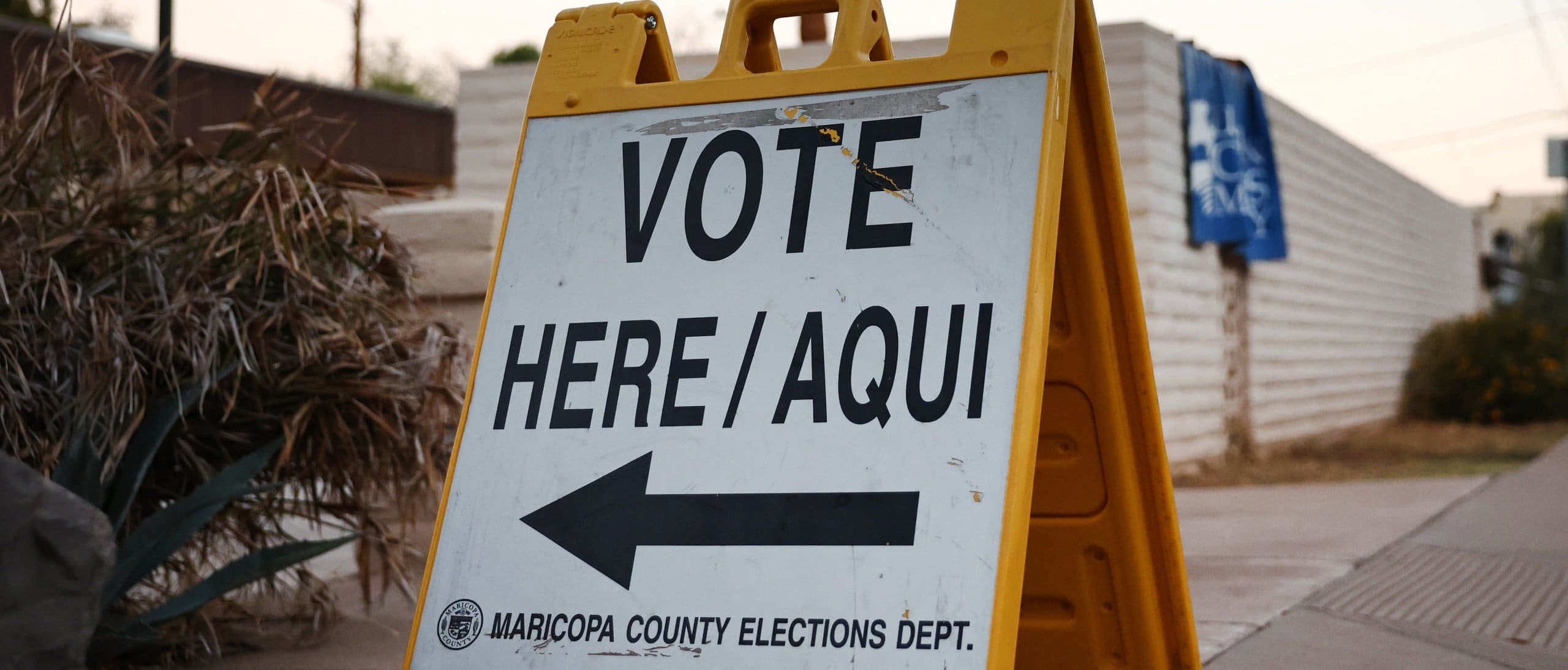
Picture this: it’s election day in the United States and voters across the country are eagerly casting their ballots, whether in person or through the mail. Amidst the ongoing debate surrounding mail-in voting, a recent Supreme Court decision has further intensified the issue, signaling a potential shift in favor of Republican efforts to limit this method of voting.
The Supreme Court’s decision to uphold a Republican-backed law in Arizona that imposes restrictions on mail-in voting has sparked controversy and divided opinions across the nation. The law in question requires ballots cast in the wrong precinct to be discarded, a rule that critics argue disproportionately impacts minority voters who are more likely to move frequently.
One key argument in favor of limiting mail-in voting is the concern over potential fraud and security risks. Some Republicans contend that by imposing stricter regulations on mail-in voting, the integrity of the election process is upheld and the risk of voter fraud is minimized. On the other hand, proponents of mail-in voting argue that it provides a convenient and accessible option for voters, especially during times of crisis like the ongoing COVID-19 pandemic.
The Supreme Court’s decision in the Arizona case has raised questions about the future of mail-in voting in the United States, particularly as the country gears up for the upcoming midterm and presidential elections. This ruling could set a precedent for other states looking to implement similar restrictions on mail-in voting, further shaping the landscape of American politics.
Ultimately, the debate over mail-in voting is far from over, with both sides continuing to push for their respective agendas. As the country continues to grapple with these contentious issues, it remains to be seen how the Supreme Court’s decision will impact the future of voting rights in the United States.
Discover more from ONENEWS.PRESS
Subscribe to get the latest posts sent to your email.