President Trump’s Stance on Iran: An In-depth Perspective
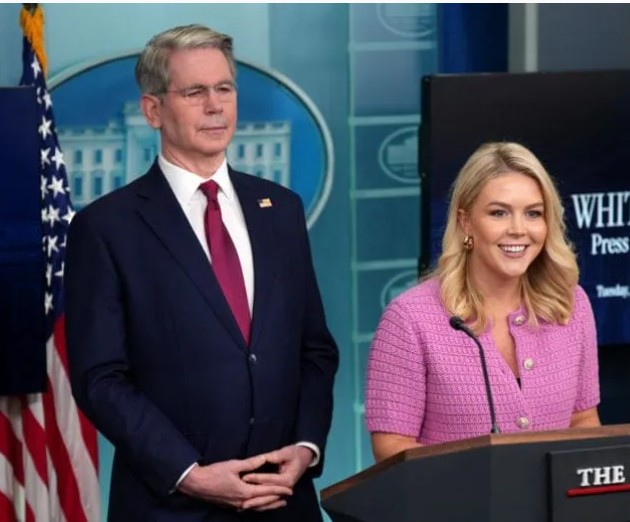
In the early morning hours, the world was awoken with whispers of pending chaos. The threat of military action seemed to be looming over the horizon following the reports of failed peace negotiations. President Donald Trump, the then leader of the free world, was reportedly considering limited strikes against Iran after peace talks between the long-standing adversaries encountered an impasse.
After months of exhausting diplomatic endeavors for a non-violent resolution, the breakdown in peace talks presented a grim image of a world on the brink of conflict. Recognizing the far-reaching implications of going to war, President Trump was speculated to be weighing the option of launching limited, precision strikes on Iranian facilities involved in proliferating hostile initiatives. This significant tactical shift emerged against the backdrop of the United States’ overarching goals – curbing Iran’s nuclear ambitions and discouraging its aggressive regional activities.
While the armament capability of the Persian realm was a considerable hurdle in the face of a more muscular American approach, the US administration seemed prepared to undertake this meticulous balancing act. The suggested strikes were planned to be minimal in scale, intended to send a stern message rather than unleash full-scale warfare. This nudged a potential confrontation to avoid severe damage to Iran’s infrastructure or causing extensive civilian casualties.
The focus of these strikes, as proposed, would be strategic locations associated with Iran’s military or nuclear capabilities. These included select Iranian military bases, nuclear facilities, and energy infrastructure centers that were driving the nation’s nuclear propulsion. The significance of these targets was conveyed as both symbolic and strategic, intending to disrupt Iran’s enrichment activities derived from the 2015 Joint Comprehensive Plan of Action, commonly known as the Iran Nuclear Deal.
The realpolitik of this development though, was far more convoluted. On one hand, there was amassing international pressure to maintain peace, avoid collateral human and environmental detriment, and adhere to international law. On the other, the need to reinforce a deterrent against Iran’s controversial nuclear program elsewhere became increasingly crucial as the world market was spooked by the possibility of an oil price hike due to potential threats to the oil supply.
Weighing on this issue heavily were some key U.S. allies in the Middle East – Israel and Saudi Arabia. Both have categorically noted their concerns over Iran’s nuclear program, with Israel openly supporting airstrikes against Iran’s nuclear facilities and Saudi Arabia voicing concerns over Iran’s regional activities.
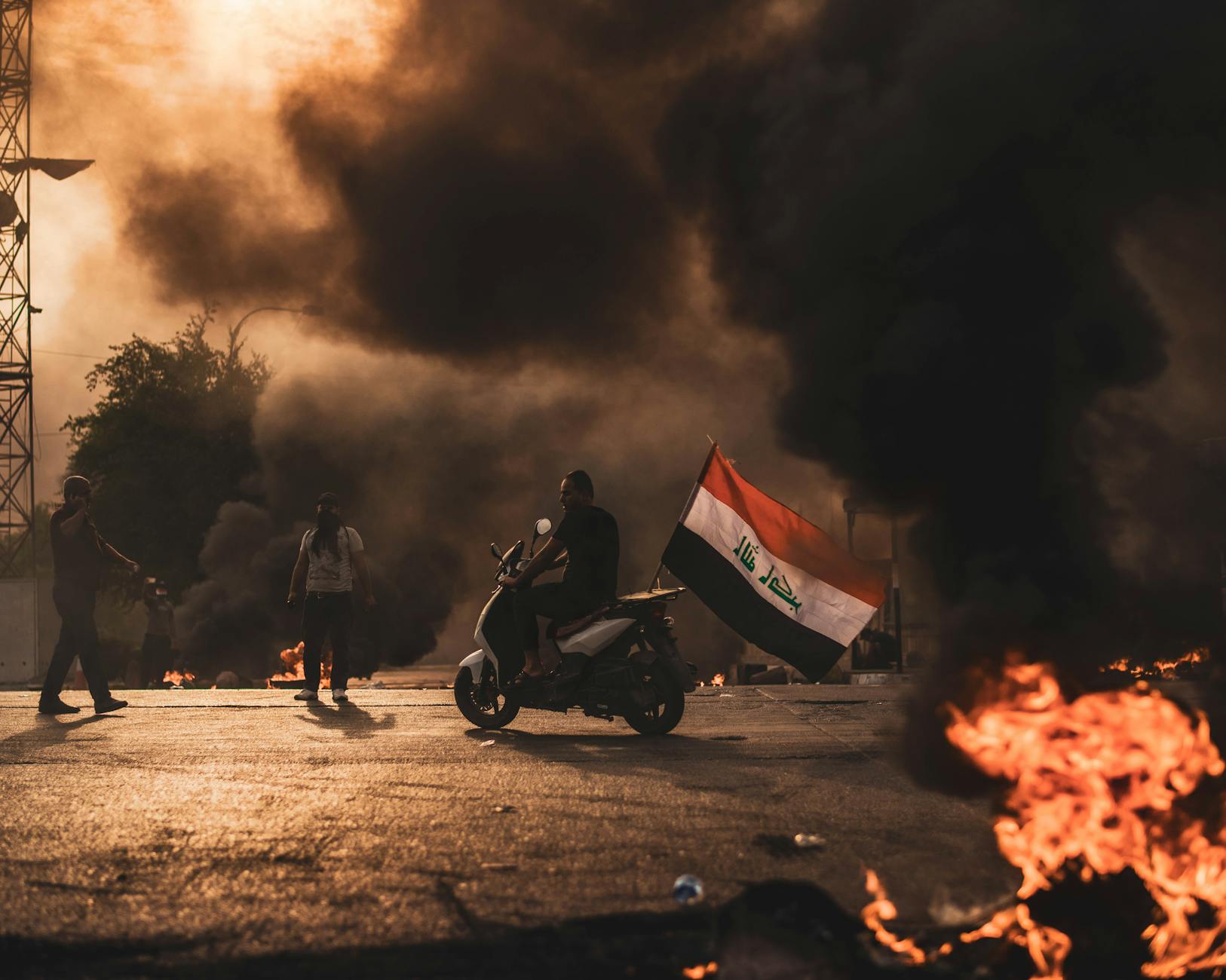
Concerns also extended to the potential retaliation from Iran, possibly triggering a cascade of events leading to an unpredictable, wider conflict scenario. The Iranian leadership, in the past, warned of a fitting response should the US military strike.
While President Trump’s decision to launch limited precision strikes against Iran remained shrouded in calculated ambiguity, the potential consequences of this decision were universally acknowledged. In posturing between enforcing a deterrent via proportionate military response and preserving diplomatic channels for continued dialogue, the fine line of the world’s security was being treaded upon.
Discover more from -
Subscribe to get the latest posts sent to your email.