As the sun rose over Wall Street on Monday morning, traders and investors braced themselves for another turbulent day in the markets. The previous week had been a rollercoaster ride, with the Dow Jones Industrial Average swinging wildly as concerns over the global economy dominated headlines. However, no one could have predicted what was about to unfold.
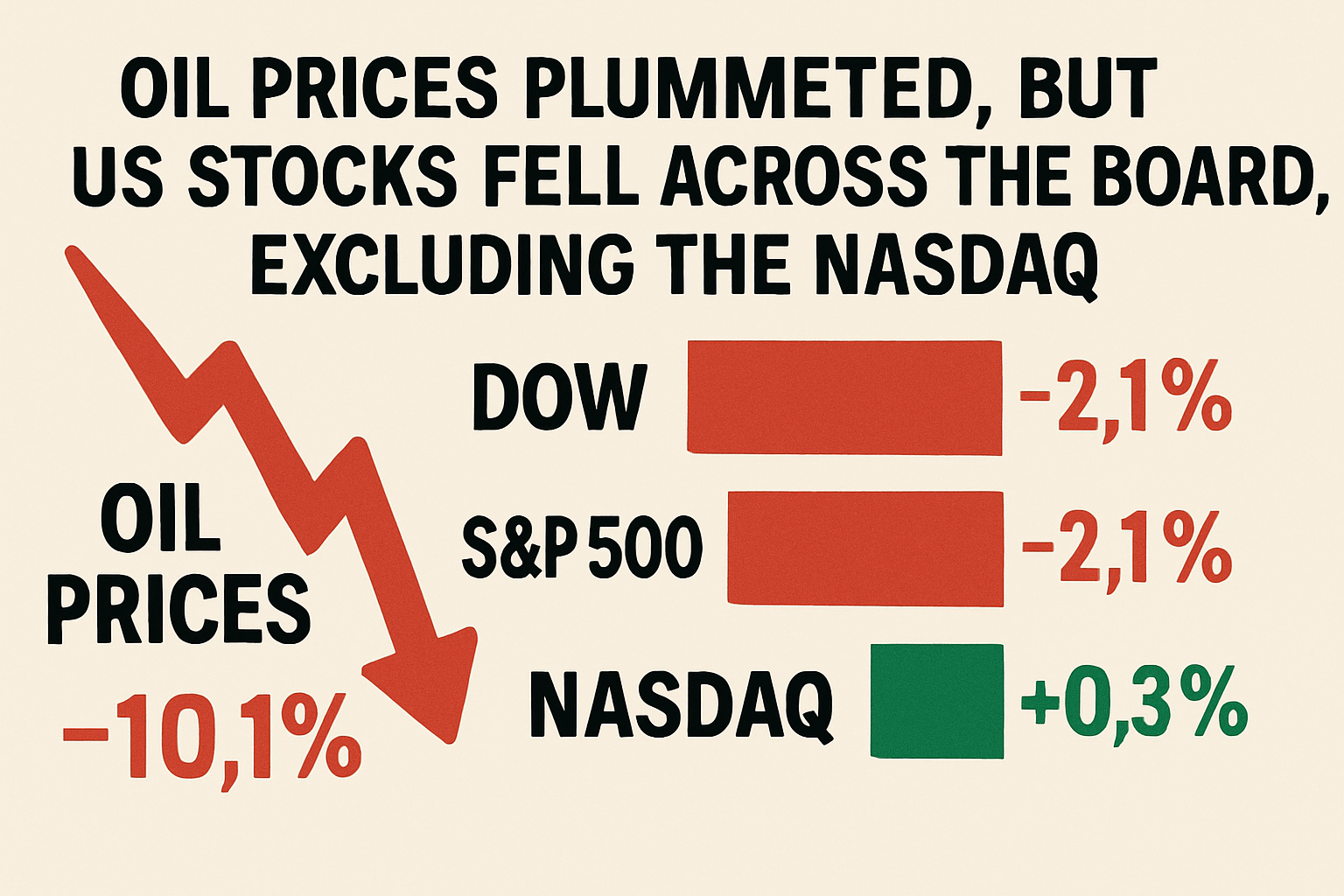
In a shocking turn of events, oil prices plummeted to levels not seen in decades, sparking panic across financial markets around the world. The unprecedented drop in oil prices sent shockwaves through the stock market, causing a dramatic plunge in the prices of energy stocks and triggering fears of a global economic slowdown.
The sharp decline in oil prices was the result of a price war between major oil-producing countries, namely Saudi Arabia and Russia, which escalated over the weekend. The decision by Saudi Arabia to flood the market with cheap oil in response to Russia’s refusal to agree to production cuts sent shockwaves through the energy sector, with the price of a barrel of oil dropping by over 30% in just a matter of hours.
The repercussions of the oil price crash were immediate and severe. Energy stocks tumbled as investors scrambled to offload their positions, dragging down major indices such as the S&P 500 and the Dow Jones Industrial Average. However, one notable exception was the Nasdaq, which managed to weather the storm relatively unscathed.
The Nasdaq’s resilience in the face of the oil price crash can be attributed to its heavy weighting in technology stocks, which are less exposed to the fluctuations in the energy sector. Companies such as Apple, Microsoft, and Amazon, which dominate the Nasdaq index, have seen their valuations soar in recent years on the back of strong earnings and revenue growth.
Despite the Nasdaq’s relative strength, the broader market sell-off has raised concerns about the health of the economy and the outlook for corporate profits. With the global economy already facing headwinds from the coronavirus outbreak, the prospect of a prolonged downturn in oil prices has added another layer of uncertainty for investors to contend with.
In response to the market turmoil, central banks and governments around the world have moved swiftly to calm nerves and provide support to the financial system. The Federal Reserve announced emergency measures to shore up liquidity in the bond market, while policymakers in Europe and Asia also took steps to bolster their economies in the face of mounting challenges.
As the dust settles on one of the most tumultuous days in recent market history, the focus now turns to how the global economy will navigate the twin threats of a coronavirus pandemic and a collapse in oil prices. With uncertainty looming large, investors will need to tread carefully in the days and weeks ahead to navigate the choppy waters of the financial markets.
Discover more from -
Subscribe to get the latest posts sent to your email.