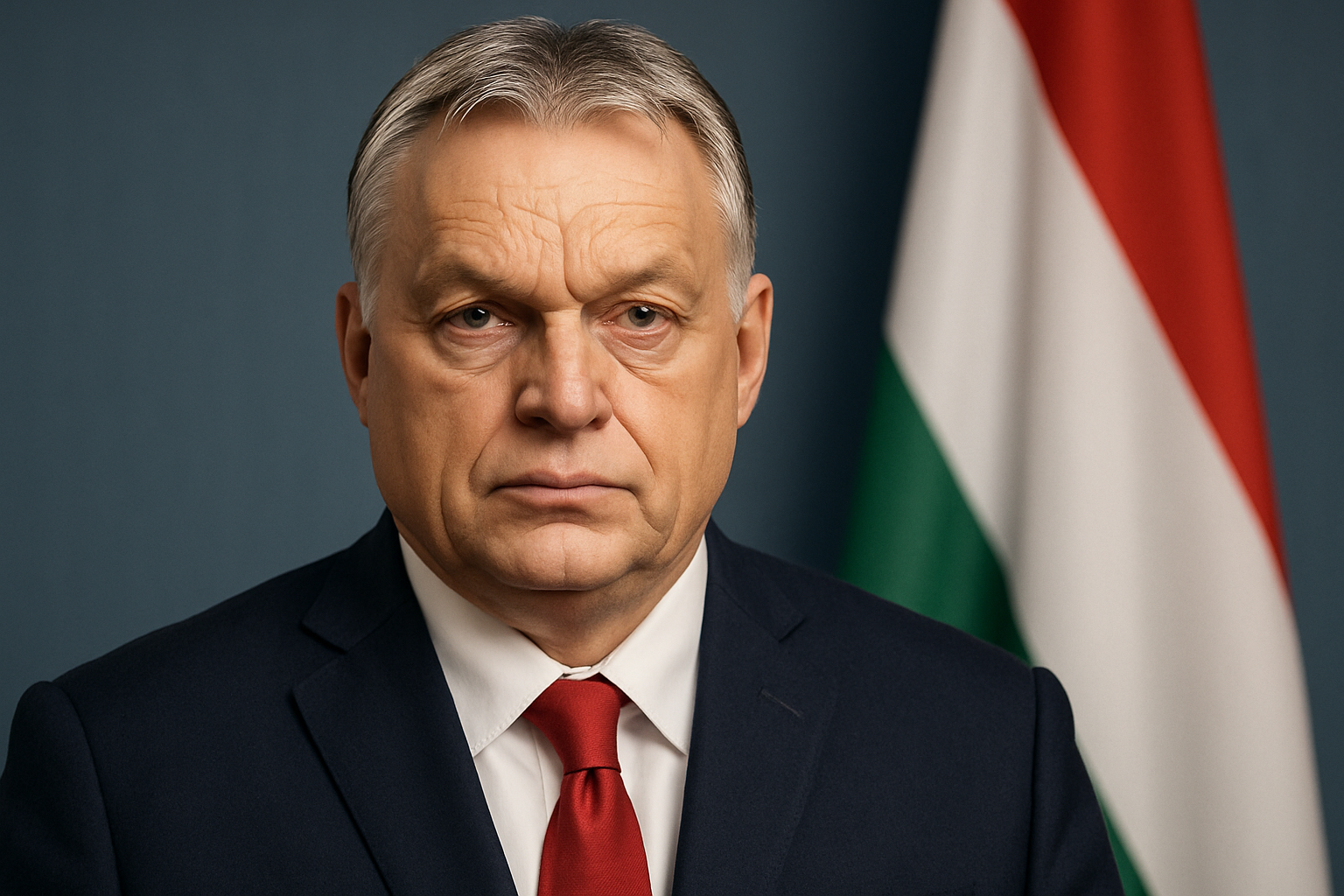
In an extraordinary turn of political events that sent shockwaves through the European landscape, incumbent Hungarian Prime Minister Viktor Orbán admitted defeat in the country’s general elections. Challenger Péter Magyar, formerly a political outlier, successfully toppled Orbán, drawing to a close a formidable 16-year reign. Orbán’s concession signifies a radical political shift in Eastern Europe, painting the future of Hungarian politics with broad, yet uncertain, strokes of promise.
Orbán’s 16-year Reign
To provide a backdrop for this monumental event, we must take a brief look back at Viktor Orbán’s reign. As a central figure in the European political scene, Orbán has been a polarizing figure, revered by some and passionately criticized by many others. When he first stepped into office in 2010, Hungary was in the throes of an economic crisis, a legacy of the 2008 downturn. Through a series of domestically popular economics and stringent immigration restrictions, Orbán managed to guide Hungary towards relative fiscal stability.
Underneath these accomplishments, however, lie a myriad of deeply contentious issues. His fierce opposition to immigration policy, inclination towards centralizing power, and alleged corruption captivated global criticism, painting Orbán as an autocratic figure. Critics argue that the freedom of press and judiciary independence suffered a significant setback under Orbán’s top-down approach, and that his administration eroded democratic standards.
The Rise of Péter Magyar
Péter Magyar’s triumph signals an unexpected wave of discontent against Orbán’s right-wing populist Fidesz party. The political novice managed to unite and lead a disparate coalition of opposition parties that spanned the ideological spectrum, from liberals to former far-right supporters. Magyar’s victory must be seen in light of heavy public dissatisfaction over allegations of widespread corruption, increasing autocracy, and the government’s handling of the COVID-19 pandemic.
Magyar’s campaign focused on restoring democratic norms, anti-corruption, and the improvement of international relations. His pledge to bridge the east-west divide in Europe resonated with many Hungarians, weary of their international isolation under the previous administration.
Implications of the Power Shift
The shift in political power in Hungary will likely have a significant impact on a regional scale. Under Orbán, Hungary was frequently at odds with European leaders over its stance on immigration and democratic norms. The Union often Censured Hungary for flouting the block’s democratic standards. With Péter Magyar now at the helm, the question of how this will alter Hungary’s relationship with the European Union looms large.
Future Challenges
Magyar now shoulders the formidable task of leading a diverse coalition into the throes of governing. Furthermore, fulfilling his promising vision amidst economic uncertainties stemming from the ongoing pandemic will come with its set of challenges. His tenure will be marked not only by the ability to restore democratic norms but also in effectively delivering on the economic promises that won him support.
In conclusion, while the political transition in Hungary marks a definitive end to Viktor Orbán’s 16-year regime, it also flags the start of another uncertain journey under Péter Magyar. As the dust settles on this political power shift, all eyes will eagerly watch its unfolding implications on the national, European, and global stage.
Discover more from -
Subscribe to get the latest posts sent to your email.