
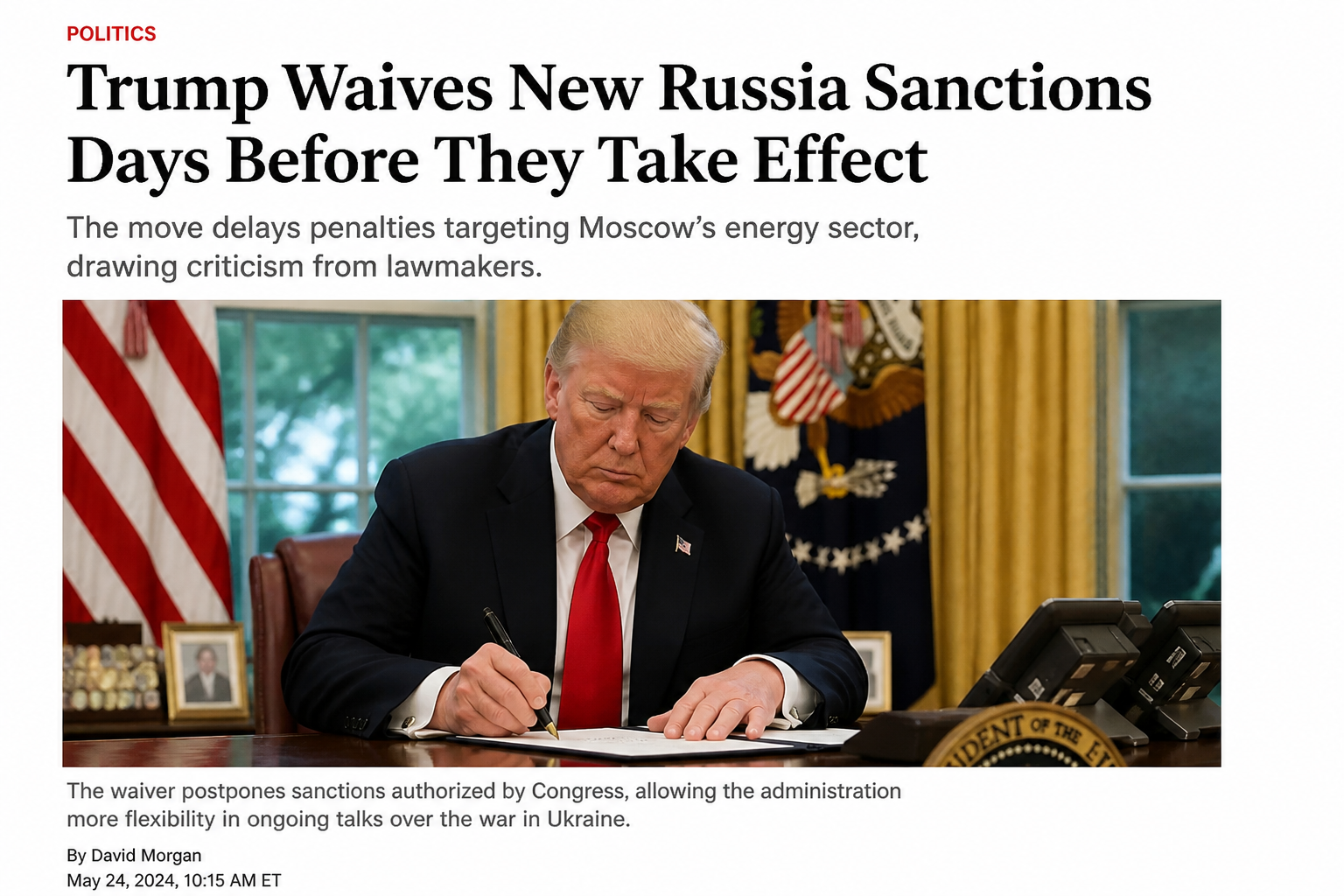





Caught in a brilliant crossfire between national security and the democratic process, former President Donald Trump’s stance on a crucial issue has stirred a pot of discourse. The issue being the extension of the Foreign Intelligence Surveillance Act (FISA) – a piece of legislation that allows the U.S. government to conduct surveillance on people suspected of conducting espionage or terrorism on its soil. Trump’s proposed tie-in? A comprehensive voting bill.
Late into his presidency, Trump made a dramatic declaration: he would not support an extension of the FISA unless it also addressed certain voting issues. This announcement, mixing in the complex world of espionage and counterterrorism with the domestic sphere of voting rights, brought an intriguing twist in American policy discussions. The proposed linkage left legislators, partisan elites, and voters divided, primarily over two central issues: the legitimacy of the FISA extension and the nature of the addressed voting bill.
FISA Extension: A Troubled National Security Pillar
The FISA, established in 1978, has long been a cornerstone of America’s national security apparatus. Its mandate? To enable surveillance over foreign powers and agents within U.S. territory. In recent years, however, the legislation has come under intense scrutiny. Reports about FISA courts arguably rubber-stamping surveillance requests have raised multiple civil rights concerns while discussions about misuses of the FISA process by governmental authorities have deepened distrust in the act.
Trump’s administration likewise had a contentious relationship with FISA, particularly following the controversy over surveillance of his election campaign in
1. His insistence on tying the FISA extension to voting legislation can be interpreted as an effort to rectify perceived abuses. Additionally, some critics suggest the move was a tactical maneuver to gain leverage over an unrelated issue of interest—election reform.
The Envisaged Voting Bill
Trump’s insistence on the voting bill also stems from his broader concerns about election security and integrity. While the specific details about what his proposed voting bill would entail remain unresolved, it’s expected to address issues like voter eligibility, registration procedures, voting methods, and ballot processing, among others.
The 2020 election was mired in bold allegations of voting irregularities, including postal ballot doubts, counting inconsistencies, and potential foreign interference. Trump has vociferously questioned the election result and, hence, his proposition for a voting bill assumes a more significant context. His proposal could be viewed as an effort to incorporate stricter controls, claiming it might ensure future elections’ integrity.
In conclusion, the saga of the FISA extension and the proposed voting bill reveals the complexity embedded in national security policies and domestic political affairs. Trump’s stance might be contentious, signaling a paradigm shift in negotiating significant pieces of legislation. While some laud his approach, pushing for transparency in both national security arrangements and democratic processes, others consider it a hazard, potentially politicizing national security issues. The coming months will show how this debate unfolds and what impact it has on the United States’ national security and democratic integrity.
Discover more from OneNews Magazine
Subscribe to get the latest posts sent to your email.


