











In the stillness of an average American suburban neighborhood, a doorbell camera blinks to life, responding to the distant shuffle of an approaching package delivery. Down the street, a network of security cameras silently captures the pulse of daily life. The high-tech, vigilant eyes have become common fixtures in everyday American life. Behind them are some of the world’s most dynamic telecom companies, supplying the technology that fuels our interconnected world. Yet, in a move that has sparked intense debate, a significant portion of these providers will no longer be from China.
The US government has expanded its ban on imports of Chinese-made telecom and surveillance equipment, set against the backdrop of the long-standing trade war and rising political differences between the two countries. The decision underlies an escalating standoff on technology and information control that has implications for international relations, global business practices, and individual privacy rights.

1. National Security Concerns
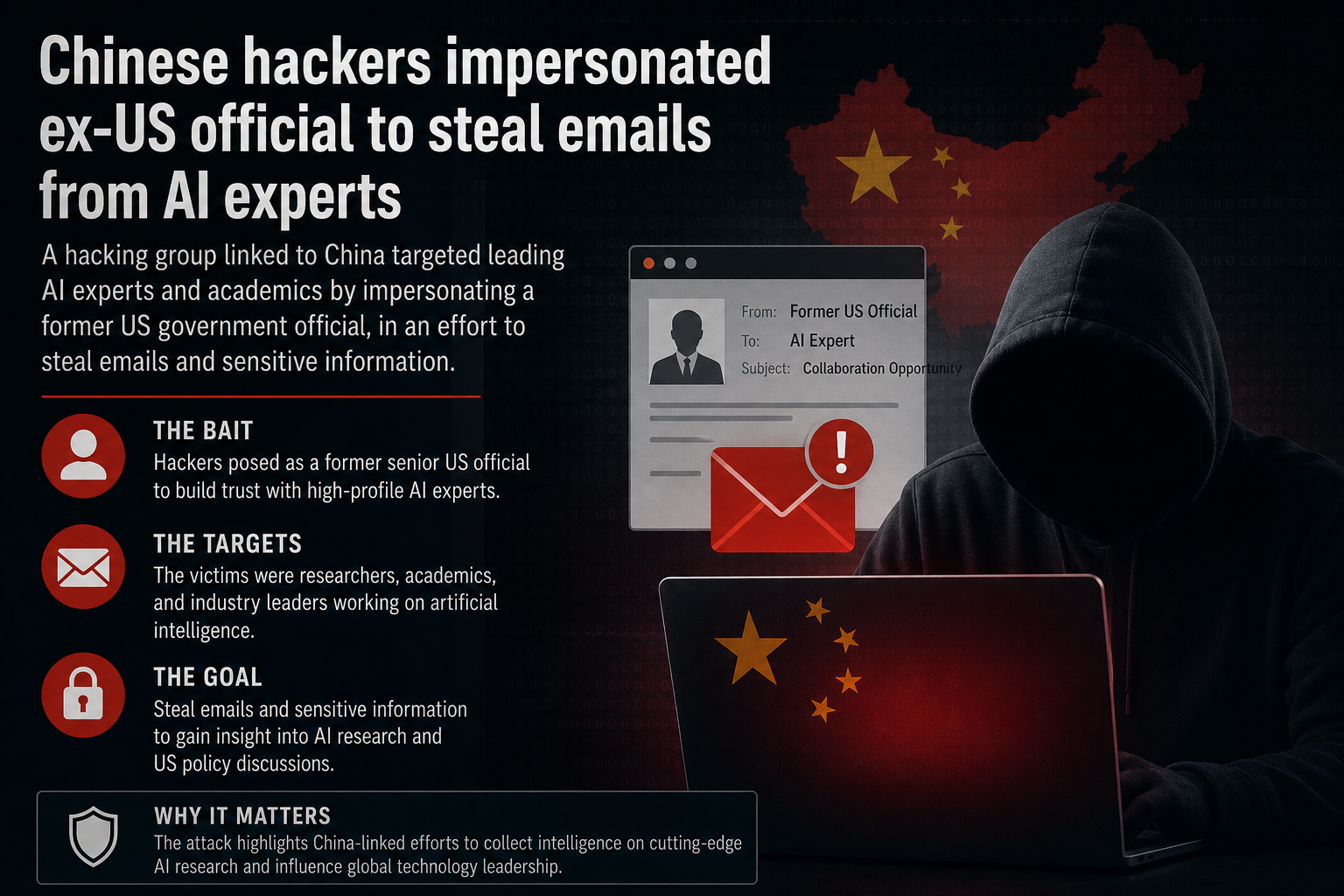
At the heart of the US’s decision is the concern over national security. The US government alleges that products and services from several Chinese companies pose a significant risk to the nation’s security. Specifically, the fear is that these items, embedded in American infrastructure, may provide a backdoor for Chinese espionage, sabotage, or interference, given the close ties many of these corporations have with the Chinese government. Critics say this move is expressly political, aimed at impeding China’s burgeoning tech industry. Still, it has raised valid questions about the complex intersection of national security and commerce in a globalized world.
2. Impact on Tech Industries
The expanded import ban primarily targets telecom and surveillance equipment giants, some of them world leaders in the industry. The ban will inevitably disrupt supply chains and may drive up costs for American companies that depend on Chinese components. Several sectors, from security to telecom to information technology, will feel the squeeze.
A key result could be an innovation slowdown. Chinese companies are amongst the world leaders in 5G technology, AI, and surveillance gear. The prohibition may simultaneously hinder the US’s own tech advancements while potentially motivating China to double down on independent innovation, reducing its reliance on the US.
3. The Right to Privacy
Simultaneously, the ban opens up a wider debate about individual privacy rights in the digital age. Surveillance devices like CCTV cameras, facial recognition technology, and other telecom equipment are increasingly a part of everyday life. However, they exist in a gray area of legislation, raising questions about who has the right to our data, and how securely it is handled. The import ban may opportunistically become a moment to reevaluate laws and norms around digital privacy in our increasingly interconnected society.
In conclusion, the US’s expanded import ban on Chinese telecom and surveillance equipment is a multi-layered issue, reflecting the immense challenges and stakes of globalization. As the situation continues to evolve, its implications will reverberate through every layer of society, from influencing high-level political relations between the US and China, impacting global tech industries and supply chains, to potentially reshaping the discussion around privacy rights in the digital age. Whichever way the pendulum swings, one thing is clear: this is more than a mere trade disagreement—it’s a pivot point in the geopolitics of technology.

