


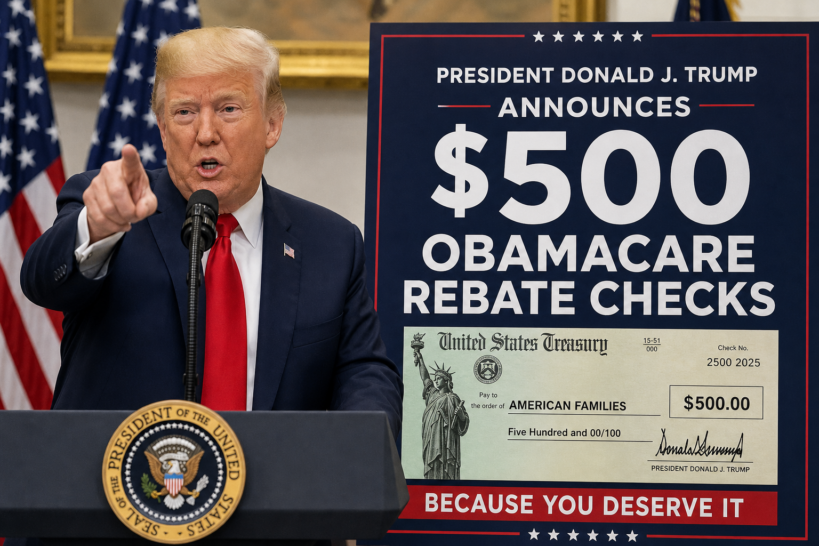


A recent campaign statement from former President Donald Trump has floated a plan to provide every adult in the United States with a one-time payment of $5,000. The proposal has sparked discussion among policymakers, economists, and political observers regarding its feasibility, funding sources, and potential economic effects.
Overview
The proposal envisions a universal cash transfer to all U.S. adults, delivered through a government program. Proponents argue that such a payment could stimulate consumer demand, support households facing financial strain, and serve as a broad economic incentive. Critics raise concerns about cost, inflationary pressure, and the potential for unequal distribution of benefits.
Economic Considerations
- Funding and Budget Implications: A nationwide payout of this scale would require substantial discretionary spending or new revenue streams. Analysts question whether current budgets could accommodate a $5,000 per adult disbursement without offsetting measures.
- Inflation and Real Purchasing Power: A sudden increase in disposable income across the population could influence price levels, particularly for goods and services with inelastic supply. The net effect on real purchasing power would depend on the timing, size, and distribution of the payment.
- Multiplier Effects: Supporters contend that immediate spending by recipients could generate economic activity and support jobs. Detractors caution that stimulus effects may be uneven and dependent on consumer confidence and credit conditions.
- Administrative Feasibility: Delivering a universal payment would necessitate an efficient, large-scale administrative framework. Questions arise regarding eligibility verification, timeliness, distribution channels, and avoidance of duplication or fraud.
Legal and Policy Context
- Constitutional and Legal Questions: The plan would need to align with existing statutory authority and fiscal rules. Legal scholars may examine whether such a program could be implemented through existing executive or legislative channels and what interpretation of appropriation powers would apply.
- Precedent and Policy Alternatives: Comparisons to prior relief programs, universal basic income proposals, or targeted stimulus measures may inform assessments of practicality and public acceptance.
- Safeguards and Equity: Considerations include ensuring access for underserved communities, mitigating debt-creating incentives, and evaluating the impact on social safety nets.
Political and Public Reaction
- Support Perspectives: Advocates emphasize broad-based relief, political symbolism, and a strong stimulus signal to the economy. They may argue that a universal payment reduces administrative complexity compared with means-tested programs.
- Opposition Perspectives: Critics raise concerns about affordability, fiscal sustainability, and potential delays or inefficiencies in implementation. Some argue for targeted approaches that focus resources on those most in need.
- Media and Public Discourse: Coverage may hinge on the details of funding, distribution timelines, and accompanying fiscal or regulatory measures. Public opinion could shift based on subsequent policy proposals and economic indicators.
Potential Impacts and Scenarios
- Short-Term Outcomes: Immediate consumer spending could rise in the months following distribution, with possible spillovers into employment and business activity depending on the duration and scale of the program.
- Long-Term Considerations: The plan might influence perceptions of fiscal responsibility and political accountability. Long-run effects would depend on how the program is financed and integrated with broader economic policy.
- Variants and Alternatives: Possible iterations include phased payments, means-tested versions, or hybrid approaches combining universal elements with targeted relief.
Conclusion
The proposed $5,000 payment to every U.S. adult presents a high-impact, high-cost policy concept that would require careful examination of funding sources, administration, and potential macroeconomic consequences. Stakeholders across the political spectrum will likely scrutinize its feasibility, equity, and alignment with broader economic objectives as part of ongoing policy discussions.
