









A scene that could once only be imagined unfolded last week as an American delegation strolled along the worn cobblestone streets of Old Havana. The silhouetted backdrop of dilapidated colonial structures, the scent of traditional Cuban tobacco wafting through the air, and the rhythmic orchestra of Cuban salsa filtering from the bars, offered a surreal tableau of a nation trapped in time. Yet, the presence of this select group of American officials signaled a subtle but potentially significant shift in a diplomatic stalemate stretching back over a decade.
This was not just a token visit. American officials were in Cuba to confront a crumbling Communist regime, marking a bold-faced confrontation with the remnants of the Castro era. This momentous occasion bears a comprehensive review, spotlighting key issues such as the deteriorating political landscape, human rights concerns, and economic frailty.
Confronting the Crumbling Regime
At the heart of this visit was the confrontational discourse with a political system seemingly on its last legs. The rigidly statuesque communist rule initiated by Fidel Castro six decades ago is showing signs of splintering. The historic handoff of presidency to non-Castro figure, Miguel Diaz-Canel, in 2018, was the initial crack in the facade, triggering an acceleration in the democratic demands by a population starved for change. The US officials’ visit comes on the heels of these tremors of change, marking a strategic attempt to further provoke policy evolution within the insular government.
Addressing Human Rights Concerns
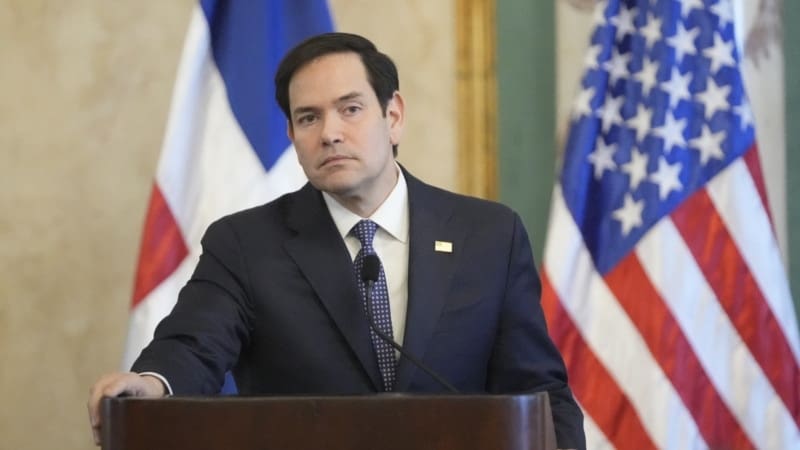
In addition to confronting the political establishment, this voyage to Cuba also served as a platform to spotlight persisting human rights abuses. Critics have continually condemned the Cuban government’s alleged intimidation, retaliation, and physical violence against political opponents, as well as restrictions on free expression, assembly, and peaceful protest. The American officials hoped to voice these concerns directly, instigating a commitment to necessary reforms.
Targeting Economic Fragility
The Cuban economy has also been a focal point of the US mission. The issue is twofold: the strain imposed by heavy-handed US sanctions, countered by the unsustainable inefficiencies of a centralized, state-controlled economic model. American officials assume that addressing these economic hardships could serve as compelling leverage in negotiations.
Nevertheless, the US officials’ visit to Cuba is a poignant exemplar of America’s resurgence into the complex dialogue of Cuban reform. While no immediate changes ensued, the visit served as a significant icebreaker, possibly indicating a more substantial American role in Cuba’s foreseeable future.
The future, however, remains nebulous. What does this mean for the relationship between the United States and Cuba? Could a new age of constructive diplomacy and cooperation be on the horizon, or will the thaw prove momentary, giving way to a continuation of decades-long animosity? These are questions that, although mulled over by many, only tincture of time will truly answer.
Until then, the image of American officials walking the streets of Havana, engaging with local tradespeople, and directly challenging a crumbling regime, signifies an unlikely but hopeful dream–the dream of a democratic and economically robust Cuba.

