









The Strait of Hormuz is the world’s most critical oil transit chokepoint, located between Iran (to the north) and Oman (to the south). It connects the Persian Gulf to the Gulf of Oman and the Arabian Sea. At its narrowest, the strait is about 21 miles (33 km) wide, with two shipping lanes roughly 2 miles (3 km) wide each (one inbound, one outbound), separated by a buffer zone.
eia.gov Oil and Energy Volumes. In normal times (e.g., 2024–early 2025 data):
- ~20–21 million barrels per day (b/d) of crude oil, condensate, and petroleum products transit the strait.
- This equals roughly 20% of global petroleum liquids consumption and about 25% of global seaborne oil trade.
- Breakdown (approx. 1H 2025): ~14.7 million b/d crude/condensate + ~6.1 million b/d products.
- It also handles a major share of LNG exports, particularly from Qatar (a significant portion of global LNG trade flows through here, with most going to Asia). eia.gov
Main destinations: About 80% heads to Asia (China, India, Japan, South Korea are the top importers). Europe and others take smaller shares. Saudi Arabia is typically the largest exporter through the strait; Qatar leads in LNG.
cbsnews.Recent Context (2026 Conflict and Reopening Efforts)Following the escalation of conflict in late February 2026 (U.S./Israeli strikes on Iran), shipping traffic through the strait collapsed dramatically—from a normal ~120–140 vessels per day to single digits or near zero at times (e.g., 94% drop in early March).
argusmedia.com By mid-June 2026, traffic remained far below pre-war levels but showed modest increases amid diplomatic efforts. A June 17 framework agreement (Islamabad Memorandum of Understanding / 14-point pact) between the U.S. and Iran included provisions for reopening the strait toll-free for an initial 60-day period as part of broader ceasefire and de-escalation steps.
x.com As of June 21, 2026, technical talks are underway in Switzerland involving U.S. Vice President JD Vance, envoys Steve Witkoff and Jared Kushner, and Iranian negotiators to finalize details. Iran has periodically claimed closures or restrictions (e.g., citing Lebanon-related issues), while the U.S. disputes full Iranian control and reports some vessel movement.
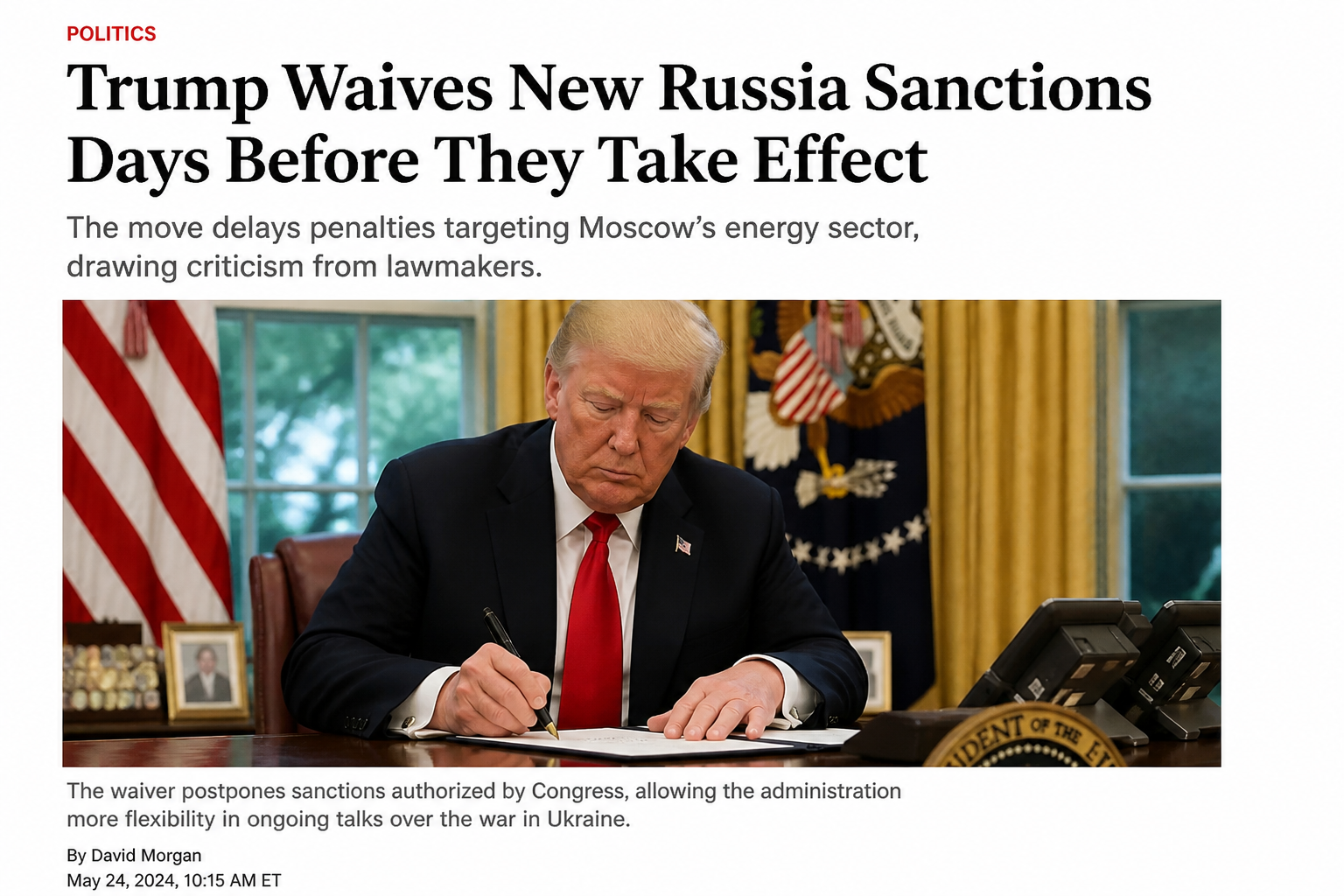
cnn.com President Trump has stated there will be no tolls during the 60-day ceasefire window. He warned that after this period, the U.S. might impose “Guardian Angel” tolls if a final deal is not reached, to reimburse costs for protecting the region and shipping lanes.
news.sky. Economic Implications of Disruption: A full or prolonged closure/disruption would remove a massive volume of supply (net loss potentially 8–10+ million b/d after partial bypasses), triggering:
- Sharp oil price spikes — Historical threats and past incidents have caused rapid increases; analysts in early 2026 warned of potential moves toward or above $100/bbl depending on duration and severity.
- Global inflation and growth shocks — Higher energy costs cascade into transportation, manufacturing, petrochemicals, and food (via fertilizers and supply chains). Developing economies (e.g., parts of South Asia) face disproportionately large welfare losses and food price pressures (10–15%+ in some scenarios). kielinstitut.de
- Winners and losers:
- Asia (esp. China, India): Heavily exposed as major importers.
- U.S.: More resilient due to domestic shale production and strategic reserves, but still faces higher prices and volatility.
- Oil exporters: Mixed—Gulf producers lose revenue if exports are blocked; some (like the U.S. or non-Gulf producers) may benefit from higher prices.
- Broader effects: Increased shipping/insurance costs, supply chain disruptions, potential recession risks in vulnerable economies, and pressure on central banks.
Even a “soft closure” (via threats, insurance issues, or harassment) can cause significant damage without a total physical blockade. Geopolitical and Strategic Implications
- Iran’s leverage: Control (or threat of control) over the strait gives Tehran significant asymmetric power, historically used in rhetoric and limited actions (e.g., tanker incidents, threats).
- U.S. role: The U.S. Navy (5th Fleet) has long protected freedom of navigation. Any toll or enhanced protection role raises questions about costs, alliances, and regional dynamics.
- Escalation risks: Disruptions can spiral into broader conflict involving proxies, cyber, or direct military action.
- Energy security: Highlights vulnerability of global trade to chokepoints and regional instability.
Alternatives and Long-Term Shifts: Bypass capacity exists but is limited:
- Saudi East-West Pipeline (Petroline): Up to ~5 million b/d to Red Sea ports (Yanbu).
- UAE pipelines: To Fujairah on the Gulf of Oman (expanding capacity).
- Iran’s Goreh-Jask pipeline: To the Gulf of Oman (~0.3 million b/d effective capacity).
- Combined bypasses cover only a fraction of normal flows; they are costly, have capacity constraints, and don’t fully replace tanker flexibility. eia.gov
Other mitigations: Strategic petroleum reserves (e.g., U.S. SPR), increased non-Gulf production, demand reduction, or longer reroutes (e.g., around Africa). The recent conflict has accelerated investments in pipelines, ports, rail, and storage to reduce future dependence on Hormuz.
wsj.comOutlookThe Strait’s reopening is central to stabilizing the fragile U.S.-Iran interim agreement and broader regional de-escalation. Successful talks could restore significant traffic and ease market pressures, though full normalization may take time. Persistent tensions or failure to finalize details risk renewed volatility, higher energy costs, and renewed focus on bypass infrastructure. In short, the Strait of Hormuz remains a geopolitical “on/off switch” for a huge slice of global energy supply. Its stability (or lack thereof) directly influences oil prices, inflation, economic growth, and international relations far beyond the Middle East. The current diplomatic window offers a chance to reduce risks, but underlying vulnerabilities persist.
