










@realDonaldTrump
If Senate Republicans don’t TERMINATE THE FILIBUSTER, the Dumocrats will, and I will be, despite how well our Party is doing, the last Republican President! The Dumocrats will vote in Puerto Rico (4% Republican Vote), and Washington, D.C. (3% Republican Vote), pick up 4 Senators, 8 Congressmen/women, tremendous numbers of Popular and Electoral College Votes and, importantly, control the Voting Mechanisms and Systems, both Legal and otherwise, throughout the United States. It will be impossible for Republicans to ever win an Election again. In other words, it will be THE END OF AMERICA! Thank you for your attention to this matter. MAKE AMERICA GREAT AGAIN! President DONALD J. TRUMP
If Senate Republicans don’t TERMINATE THE FILIBUSTER
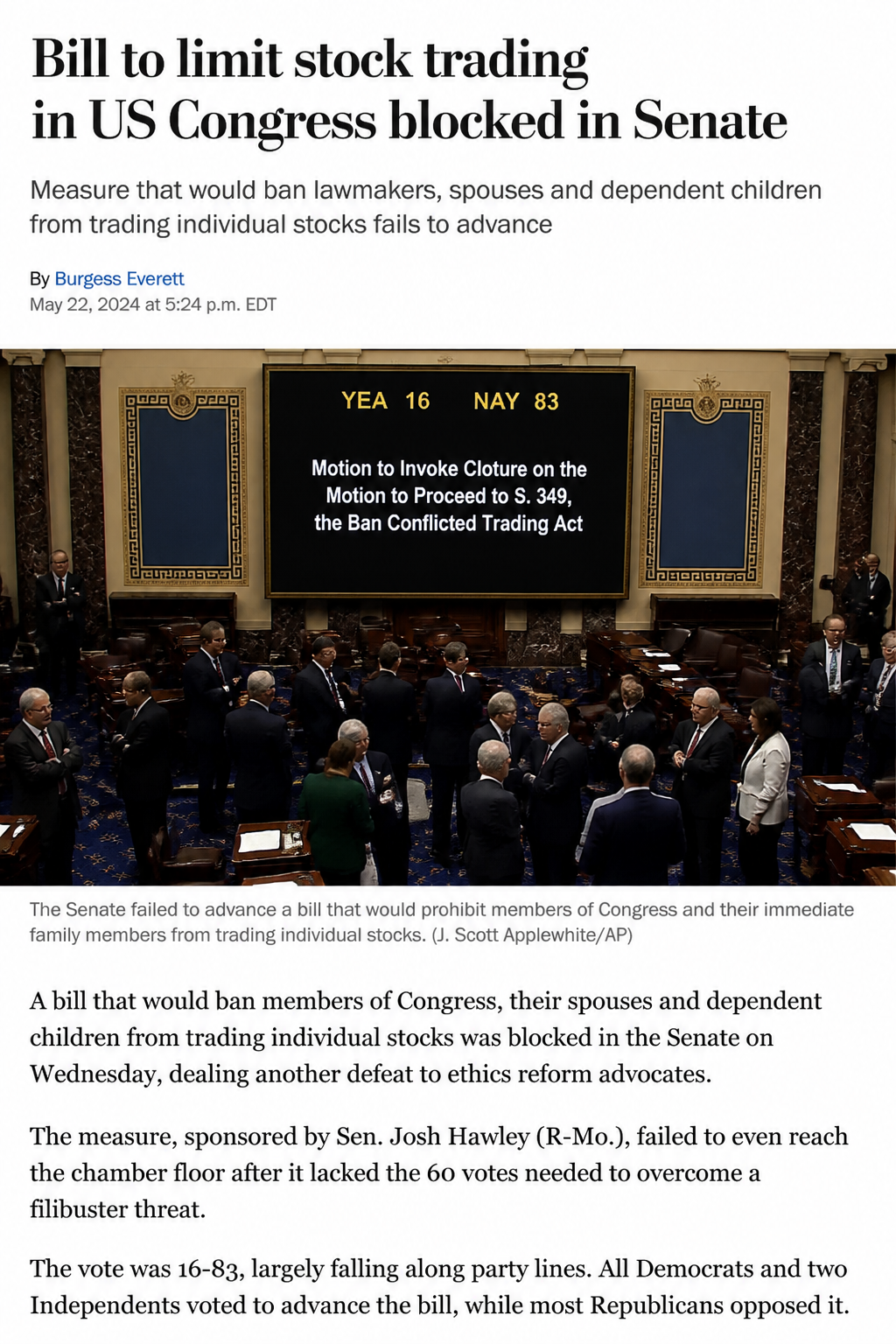
A failure to end the filibuster would mark a significant procedural and political turning point within the United States Senate. The filibuster, by requiring a supermajority for most legislation, functions as a brake on rapid reform and a safeguard for minority interests. Its continued use—or potential termination—shapes the prospects for confirmation battles, major policy initiatives, and the larger trajectory of legislative governance.
Implications for Legislation and Confirmation
- Legislative gridlock may deepen as significant bills require broad bipartisan support to advance, limiting the ability to respond swiftly to urgent national challenges.
- Presidential nominees for executive and judicial positions could face intensified scrutiny, with longer confirmation timelines and heightened partisan polarization.
- Policy prioritization would likely hinge on bipartisan coalitions, potentially constraining ambitious reforms that lack cross‑party appeal.
Historical and Constitutional Context
- The filibuster has roots in Senate tradition, evolving into a formal requirement for cloture on most matters. Its existence reflects a deliberate design to protect minority perspectives in a bicameral system.
- Past periods of reform or reform‑inertia illustrate how procedural rules interact with political incentives, affecting the ease with which the majority can enact its agenda.
Potential Constitutional and Normative Effects
- A shift away from the supermajority threshold could redefine the balance between majority power and minority rights, with lasting implications for democratic norms and legislative culture.
- The change might influence strategic behavior, encouraging or deterring coalitions across party lines depending on perceived benefits and costs.
Strategic Considerations for Stakeholders
- Parties may recalibrate messaging and policy commitments to appeal to a broader electorate, seeking durable mandates that survive procedural hurdles.
- Interest groups could adjust lobbying strategies to align with the new realities of the Senate’s decision‑making dynamics.
- Public communication would likely stress accountability, urging voters to assess the desirability of procedural reforms alongside policy outcomes.
Conclusion
The decision to maintain or terminate the filibuster reverberates beyond a single legislative session. It bears on the capacity of the federal government to respond to evolving priorities, the guardianship of minority views, and the broader health of constitutional governance.

