







Allegations of Planned Attacks in Europe Reported by Media
Overview
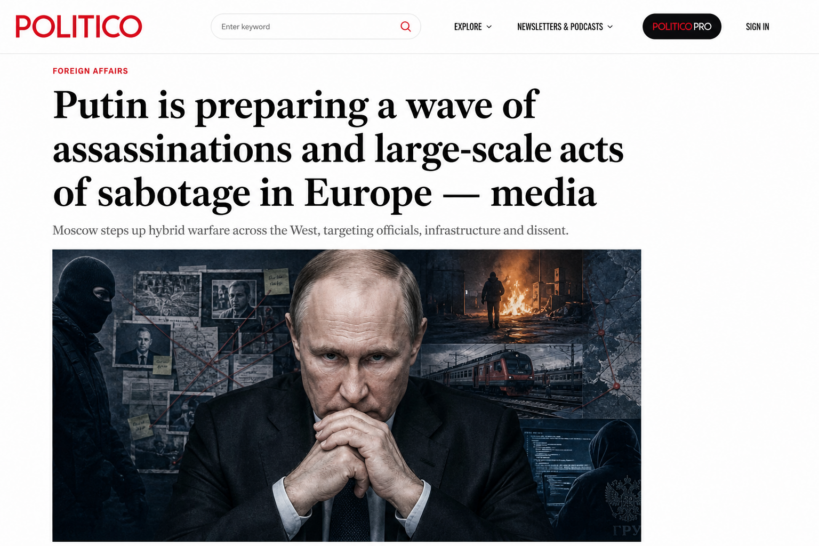
Recent media reports have raised concerns about potential planned assassinations and large-scale acts of sabotage attributed to high-level Russian actors. The exact veracity and scope of these claims remain contested, with officials and analysts urging caution in interpreting unverified information. This briefing outlines the key points, potential implications, and the responsive measures under consideration by European authorities.
Context and Background
- The reports reference alleged operational planning aimed at destabilizing European security and political resilience.
- Intellectual and operational capabilities attributed to credible sources are described as sophisticated, involving potential cross-border coordination.
- Official confirmation or detailed intelligence disclosures have not been publicly released, contributing to a spectrum of interpretations among policymakers and experts.
Assessment of Claims
- Given the provisional nature of the information, caution is advised in drawing definitive conclusions.
- Analysts emphasize the importance of corroboration from multiple, independent intelligence sources before assessing threat credibility or intent.
- Historical tensions and strategic rivalries in the region can influence media narratives and risk perceptions, underscoring the need for measured response.
Potential Implications
- Security postures across European states could experience recalibrations, including enhanced protective measures for critical infrastructure and public venues.
- Public communication strategies may be employed to balance transparency with risk management, aiming to prevent undue panic.
- Diplomatic channels and intelligence-sharing frameworks are likely to be leveraged to assess risk and coordinate responses.
Responses and Recommendations
- Authorities are advised to maintain vigilant, proportionate security operations without provoking unnecessary escalation.
- Public awareness campaigns should emphasize reporting suspicious activity through official channels while avoiding sensationalism.
- Policy makers may consider reviewing and reinforcing incident response protocols, cross-border coordination, and resilience planning for key sectors.
Conclusion
The convergence of disparate reports to date warrants disciplined scrutiny and cautious interpretation. As new information becomes available, researchers, officials, and the public should rely on verified intelligence and official communications to form a well-founded understanding of the situation and appropriate protective measures.